
Reptiles & Amphibians Class
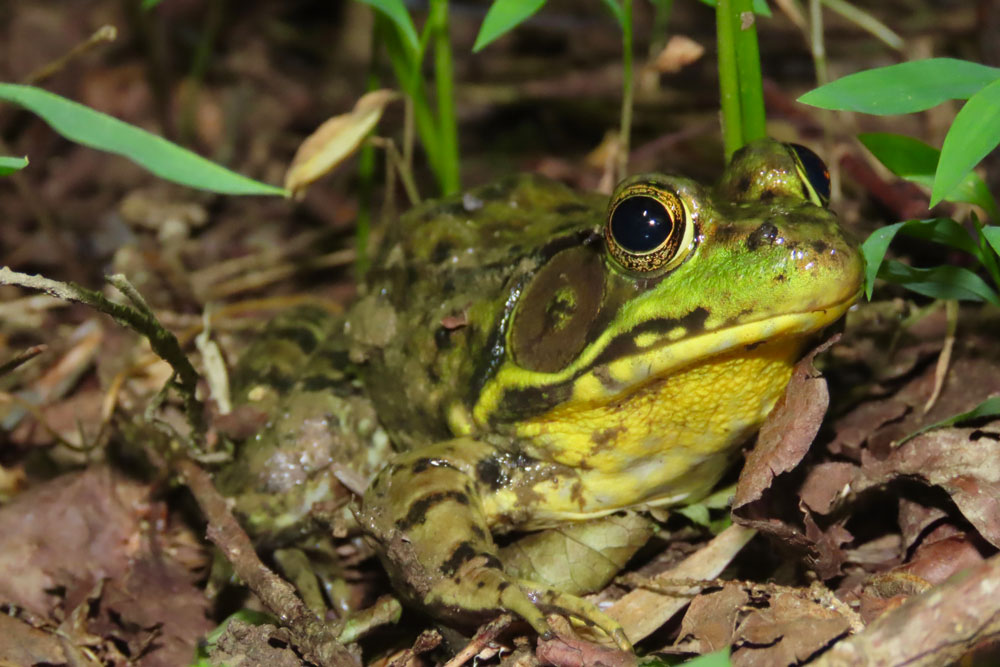
Discover the secret lives of reptile and amphibian species in the Southern Appalachian Mountains. Sign Up Today!
Part of our Naturalist Certification Program.

Tremont Events
Workshops, school, programs, hikes, camping trips and more!
Click here for calendar

Tremont Jobs
A unique opportunity to work inside Great Smoky Mountains National Park.
Check out our jobs page.

Current Road Closures
The park is now distributing road closure information via Twitter. Click here to check closures.

Tremont eNews
Email us to sign up for our
bi-weekly enewsletter including Tremont and park information and articles
by our naturalists.

Walker Valley Reflections
The Spring Annual Report Edition of Walker Valley Reflections is out! You'll see it in your mailbox soon, but check it out here first.
View online.

Plans to Improve Tremont
Click here to learn more from Tremont
about the Environmental Assessment
that the park released on improving our facilities.


Phenology

Phenology is the study of the timing of natural events – in particular, life cycle events such as leaf out, migration, flowering, or mating.  Since many of these events are tied to temperature, phenology can be a powerful way to study the effects of climate change.  Students at Tremont track phenology to discern the impact of climatic changes on the Walker Valley ecosystem.  For over 30 years, students have tracked first and last appearances of a variety of organisms and events.  What we look for, and what we’ve found over the years can be found here.

Signs of Spring Signs of Fall Winter Wonders

Teachers!  Graphing and analyzing these data make a great introduction to the impacts of climate change for your students, as well as a great way to integrate math and science. Download activities: Weather, Climate and Phenology [PDF].

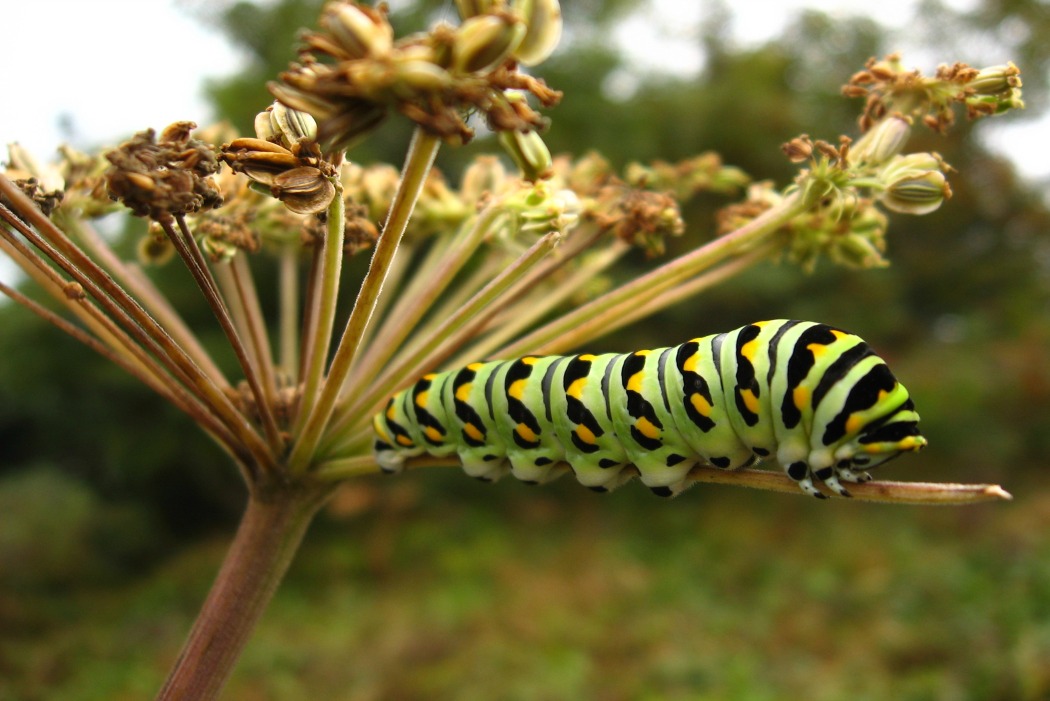
In a new study, begun in October of 2010, study plots were established for a more in-depth look at these phenological shifts.  In the spring, students track leaf out and flowering of plants, caterpillar abundance, and bird activity.  In the fall, we focus on fruit ripening and leaf loss.  While we expect to see changes in each of these over time, we don’t know to what degree, and we don’t know how these shifts will impact each level of organisms in the study.  (For example, if trees leaf out earlier, and caterpillar abundance peaks earlier as well, what impact will that have on birds that rely on the caterpillars as an important food source?)


Click the name of the trees below to download a PDF sample to help with identification: